
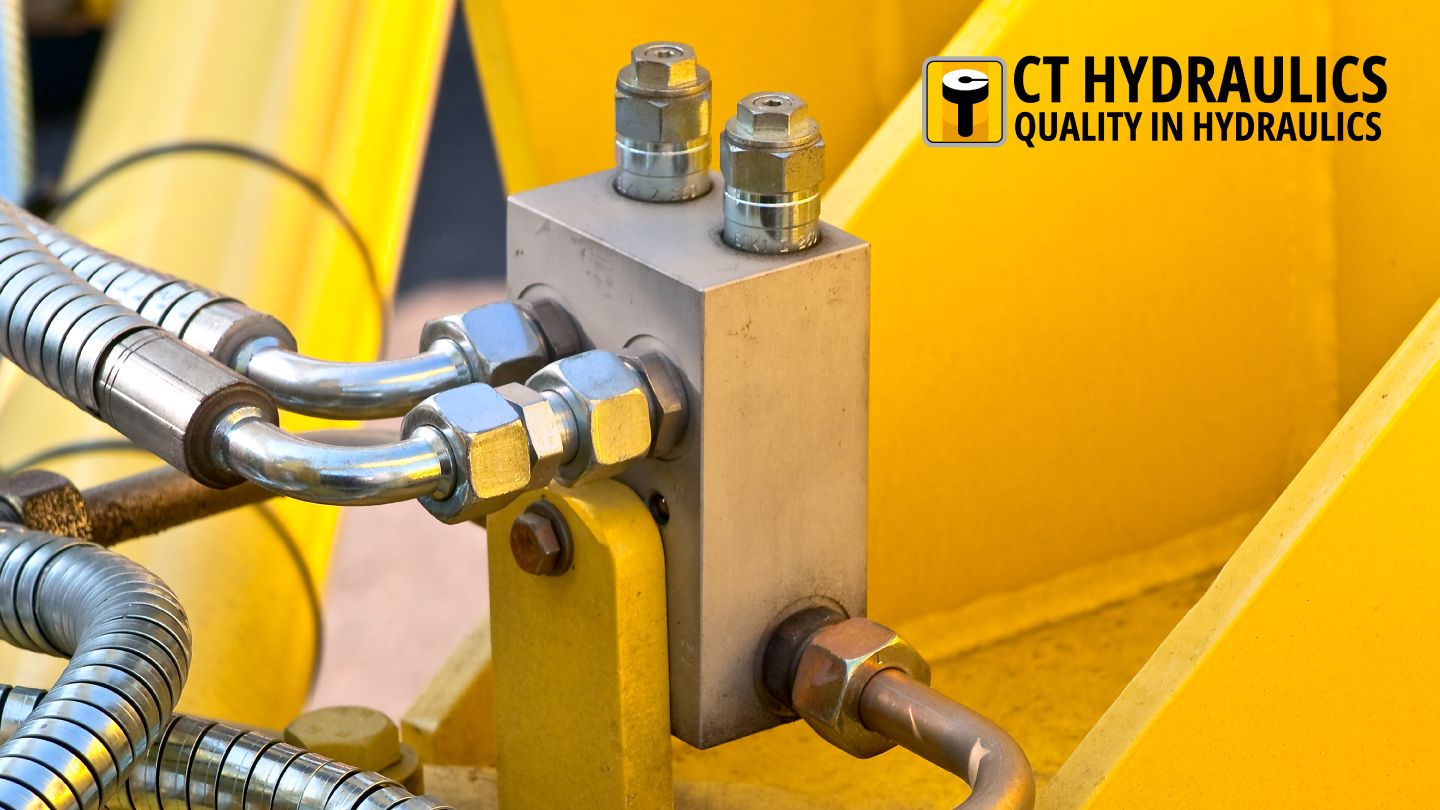
Prioritising hydraulic fluid contamination prevention is the single most effective way to eliminate the number one threat to industrial system quality. For heavy industries—ranging from remote open-cast mines to marine hydraulic systems—the presence of microscopic debris introduced during hose assembly, repairs, or maintenance leads to catastrophic component failure and unpredictable downtime. This comprehensive technical guide explores how proactive contamination management practices protect critical machinery. Discover why international standards dictate zero compromise when cleaning internal lines, and explore how the Pneumatic Systems International (PSI) Airmate 4 system physically purges damaging particulate matter from lines before it reaches sensitive pumps and valves.
The Invisible Threat to Southern African Industrial Operations
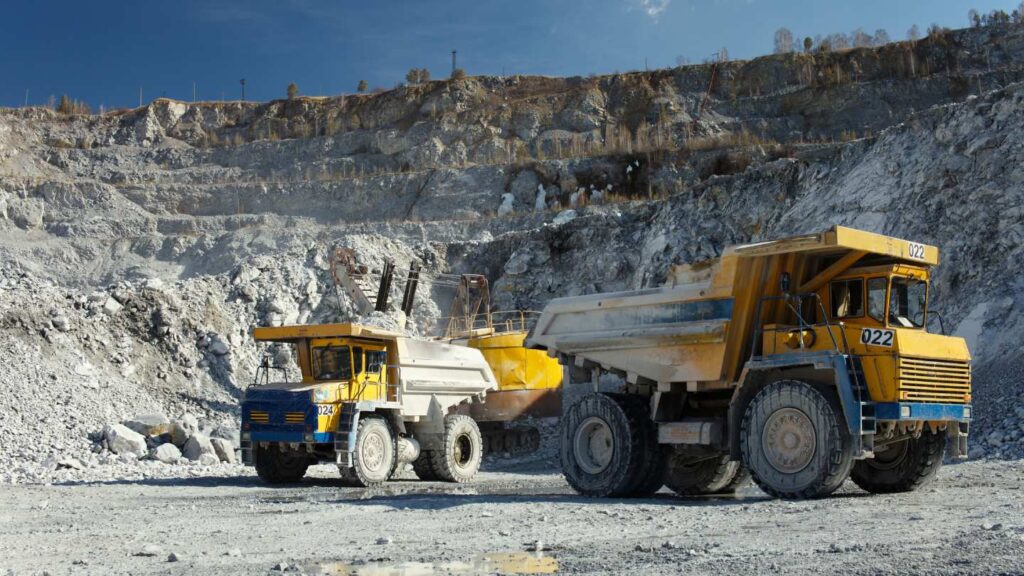
In the demanding operating environments of South Africa, from the iron ore corridors of Kathu to coastal marine deployments, hydraulic machinery is pushed to its absolute physical limits. When a high-pressure hose or steel tube fails on an earthmoving rig or a materials handling conveyor, the immediate focus is naturally on speed of replacement. However, the true threat to the system does not end with the mechanical repair; it begins the moment the new line is fabricated.
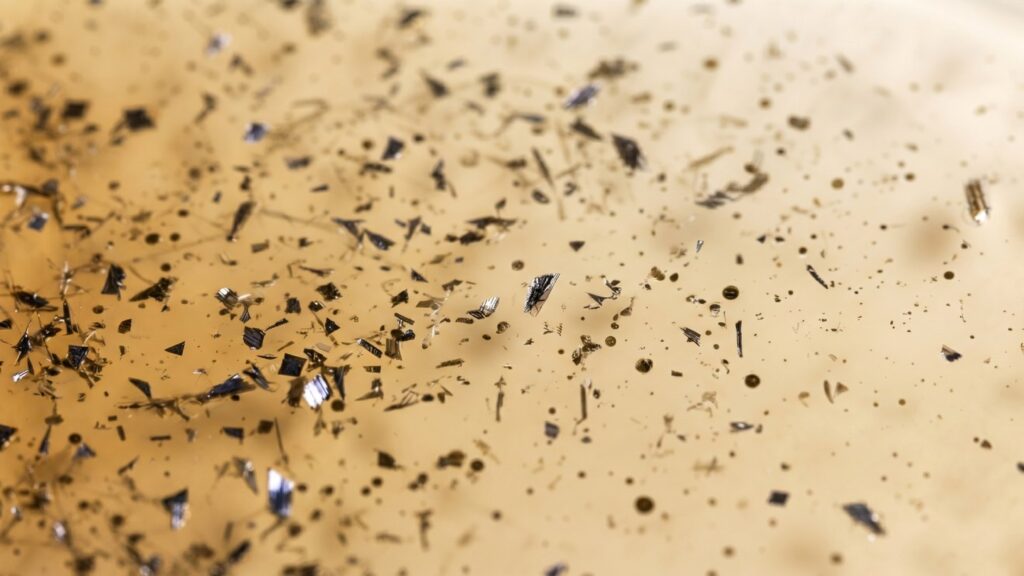
The simple act of cutting a hydraulic hose or bending a steel line introduces thousands of microscopic contaminants. As detailed in our comprehensive guide to common hydraulic system contaminants, rubber dust, metal shards, and abrasive airborne particulate matter settle deep inside the internal core of the assembly. If these particles are left unmanaged, they bypass even high-quality standard filters upon system startup. While proper hydraulic filtration is essential for ongoing operational performance, inline filters cannot stop built-in assembly debris from doing immediate damage.
The human eye can generally only detect particles larger than 30 microns. Yet, the high-precision tolerances inside modern hydraulic pumps and proportional valves are often narrower than 5 microns. When an uncleaned line is pressurised, these microscopic particles act like liquid sandpaper, scoring valve surfaces, eroding cylinder seals, causing severe cavitation, and rapidly degrading the quality of the entire fluid power network.
Why Traditional Line-Cleaning Methods Fall Short
Historically, maintenance crews have relied on traditional fluid flushing or compressed air blowouts to clear out debris. Unfortunately, these methods offer a false sense of security and fail to meet the rigorous cleanliness levels mandated by international benchmarks such as the ISO 4406 standard.
| Cleaning Method | Operational Efficiency | Contamination Control Risk |
| Compressed Air Blowout | Rapid but highly ineffective | Blows out loose debris but leaves static-bonded particles inside |
| Chemical/Fluid Flushing | Exceptionally slow and costly | High risk of chemical carryover and localised fluid degradation |
| PSI Airmate 4 Projectile Cleaning System | Rapid, mechanical wipe that physically strips the inner wall | Consistently achieves ultra-clean internal lines before assembly |
Standard compressed air blowouts lack the physical density and velocity to strip static-bonded particles or sticky rubber dust from the internal walls of a hose. Fluid flushing, while slightly more effective, requires substantial volumes of expensive, filtered flushing oil, demands specialised recycling equipment, and introduces extended, costly downtime to your operation. For ongoing fluid maintenance, implementing dedicated offline oil filtration systems ensures the fluid remains pristine.
True hydraulic asset protection requires a mechanical intervention that completely purges the line. This is where a dedicated pneumatic tube cleaning system becomes an operational necessity. Rather than relying on air pressure alone, an advanced launcher fires a specific, oversized foam projectile through the internal diameter of the line. The compressed foam projectile acts as a high-density squeegee, expanding against the internal walls to physically trap, sweep, and strip away every trace of particulate matter, soot, and flash debris in a matter of seconds.
Engineering Excellence: The PSI Airmate 4 Advantage
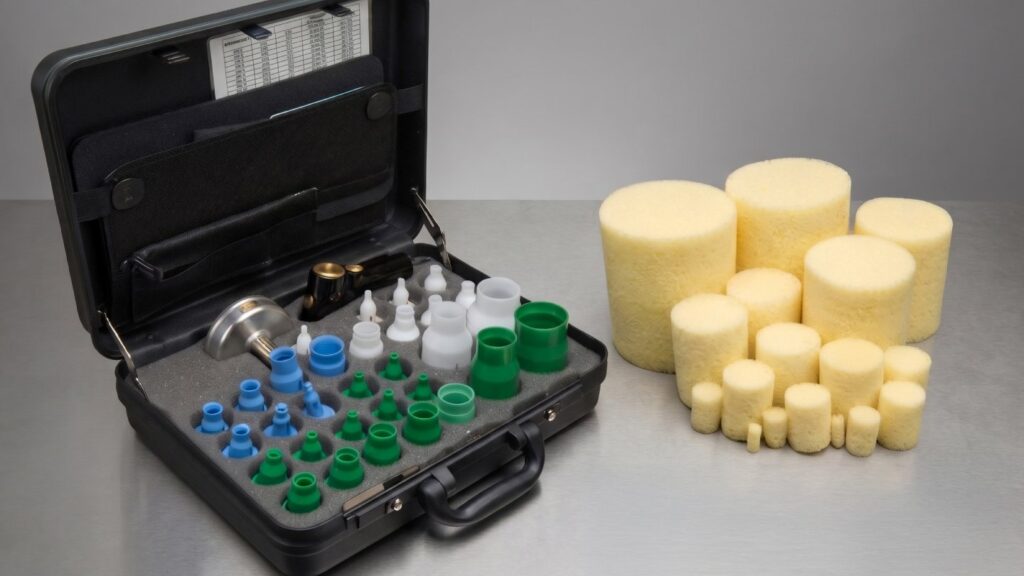
As the sole importer and distributor of Pneumatic Systems International products in Southern Africa, CT Hydraulics supplies the industry standard in line-decontamination technology. The PSI Airmate 4 full kit represents an uncompromising approach to fluid power system preservation.
Designed specifically for heavy-duty industrial and field-service maintenance environments, the Airmate 4 features a lightweight, ergonomically balanced aluminium launcher body combined with a high-durability interlock-head mechanism. This engineering ensures maximum operator safety and speed during high-volume hose fabrication sequences.
Precision Calibration with Colour-Coded Nozzles
A critical challenge in line cleaning is ensuring an exact structural seal between the cleaning tool and the hose configuration. A loose fit allows compressed air to bypass the projectile, stalling the pellet mid-line. The Airmate 4 eliminates this risk by including a comprehensive 31-piece nozzle array spanning 6mm to 50mm applications. These nozzles are clearly colour-coded to guide operators quickly to the correct fit:
- White Nozzles: Calibrated precisely for standard hydraulic hose internal diameters.
- Green Nozzles: Machined to fit the exact tapers of JIC flared connections and rigid industrial tubing.
- Blue Nozzles: Specially shaped to seal perfectly against standard BSP threaded fittings.
Hydraulic Fluid Contamination Prevention: The True ROI of Absolute Contamination Control
Investing in proactive hydraulic fluid contamination prevention directly enhances your company’s operational profitability. When you calculate the true cost of an unscheduled system shutdown—including lost production hours, specialised labour, component replacement costs, and new hydraulic oil charges—the financial benefits of prevention become starkly evident.
Integrating a premium pneumatic tube cleaning protocol into your workshop workflow delivers measurable long-term value:
- Extended Component Lifespan: Eliminating internal abrasive wear allows expensive pumps, cylinders, and motors to achieve their maximum engineered service life.
- Reduced Oil Consumption: Cleaner systems run cooler and experience less thermal stress. By pairing physical line cleaning with regular hydraulic fluid testing, you can track fluid degradation and prevent premature ageing and oxidation.
- Uncompromising System Safety: Preventing valve stick and pressure spikes reduces the risk of sudden mechanical failure, creating a safer environment for your field technicians.
Secure Your System Integrity with CT Hydraulics
Do not allow hidden assembly debris to undermine the quality of your heavy machinery assets. Partner with the region’s premier fluid power specialists to establish an ironclad contamination control standard across your operation.
Visit the official CT Hydraulics Website today to discover our complete line of advanced maintenance tools, or view the technical specifications of the PSI Airmate 4 South Africa product range to see how we help you build reliable, long-term system profitability. For more information, contact us today.